The food
Greek regional cooking, explained
Why Greek cooking changes from region to region: the shared base of olive oil, wheat and wine, the north, the islands, the history and the Mediterranean diet.
Reserve a table for the evening ↗Quick answer
Greek cooking shares one base of wheat, olive oil and wine, but it changes sharply from region to region. The north favours sweet spices in meat stews, Epirus and Thessaly are known for filo pies, the Ionian islands show Italian influence and Crete has its own breads and pies. UNESCO lists the Mediterranean diet, including Greece's, as intangible cultural heritage.
One base, many kitchens
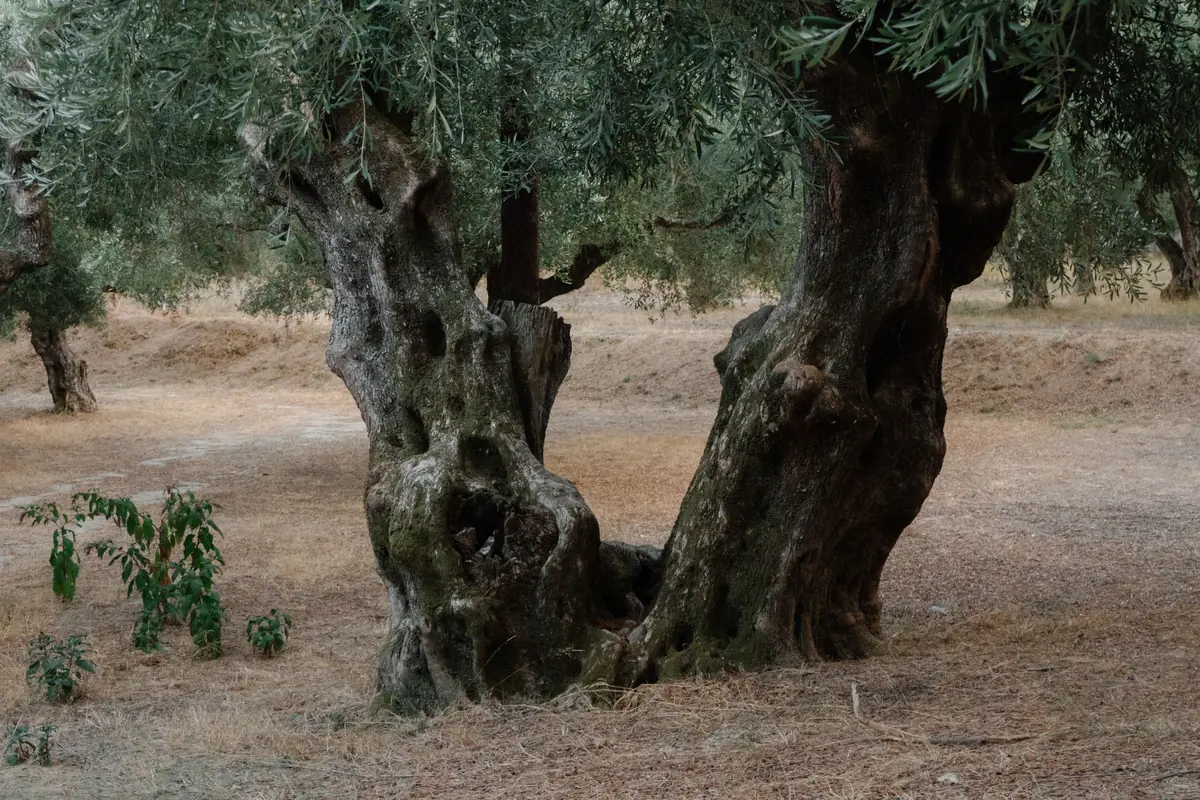
Greek cuisine, like others around the Mediterranean, rests on wheat, olive oil and wine, which Wikipedia calls the Mediterranean triad. Olive oil is its most characteristic ingredient and goes into most dishes. The country's climate and terrain have favoured goats and sheep over cattle, so beef dishes are less common, while fish is common on the coasts and islands. Oregano, mint, garlic, dill, cumin and bay leaves flavour much of the cooking. Everything else changes with the region, which is why a menu from one part of Greece rarely matches a menu from another.
The north and the mountains

Wikipedia notes that northern recipes, such as those of Macedonia, often put meat together with sweet spices such as cinnamon, allspice and cloves. In Epirus, Thessaly and central Greece it describes a strong tradition of pies made with filo. Wild greens, called horta in Greek, are another staple: boiled, then dressed with olive oil and lemon juice. These are the foods of a landscape of hills and mountain villages, where a pie or a pot of greens made the most of what the land gave. Treat this as background to the cooking, not as a menu for any one evening.
The islands and the sea

The Aegean islands, the Ionian islands and Crete each have their own cooking. The Ionian islands show marked Italian influence, and Wikipedia ties dishes such as pastitsio and stifado to Italian originals. Crete is known for dakos, a bread-based dish with tomato and cheese, and for a pan-fried pie, and Santorini for its tomato fritters. Fish is common on islands and coasts. From Chios comes mastic, a plant resin that flavours food and drink. Islands, being small and often isolated, tended to keep their own recipes, which is why a dish can be identified with a single island.
How history shaped the plate
Ancient Greek cooking was frugal and built on the same triad, with meat rarely eaten and fish more common. Byzantine cuisine kept those foundations and added ingredients such as nutmeg and basil, shaped partly by the spice trade through Constantinople. Ottoman cooking, along with Persian, Levantine and Turkish influences, brought dishes such as kadaifi and halva. In the twentieth century French cooking left its mark, largely through the chef Nikolaos Tselementes. The first Greek cookbook was printed on Syros in 1828. Greek food is therefore both old and layered, not a single fixed tradition.
Meze, sharing and the Mediterranean diet
Meze, small dishes shared across a table, are central to Greek dining, and many salads serve as appetizers too. In 2013 UNESCO inscribed the Mediterranean diet on its representative list of intangible cultural heritage, with Greece among seven countries named. The entry covers skills and traditions from farming and fishing to cooking and, above all, sharing food, and it says eating together underpins cultural identity and continuity. A shared table as a way of belonging is the idea the dinner theatre builds on.
What this means for the evening
The organiser frames the evening on exactly this idea: each of the five dishes is a staple of a different corner of Greece, so the meal moves across the country as it moves across the table. Which dishes appear is the organiser's decision and can change, so this guide does not list them. Read your confirmation for the menu, and tell the team about allergies and dietary restrictions at least 24 hours ahead. If a dish you read about here does not appear, that is the menu changing, not a mistake.
Read next: Athens dinner theatre: how to book
Frequently asked questions
Is Greek food the same everywhere in Greece?
No. It shares olive oil, wheat and wine, but regions differ: northern stews use sweet spices, the Ionian islands show Italian influence and Crete has its own dishes.
What is horta?
Wild or edible greens, boiled and dressed with olive oil and lemon juice.
Is the Mediterranean diet on UNESCO's list?
Yes. UNESCO inscribed it in 2013, and Greece is one of the seven countries named.
Sources